If your skin gets shiny soon after applying makeup, choosing sunscreen can feel surprisingly difficult. Some sunscreens feel greasy, others leave a visible white cast, and some make foundation separate or become patchy.
The good news is that you don’t have to choose between sun protection and a smooth makeup look. The right sunscreen sits comfortably under foundation while helping protect your skin from UV exposure.
Finding the best sunscreen under makeup for oily skin takes a clear strategy. This guide explains what to look for when shopping, including SPF, finish, ingredients, texture, application technique, and common mistakes that affect both UV protection and foundation wear.
What makes a sunscreen good under makeup for oily skin?
A sunscreen designed to work well under makeup should feel lightweight, absorb without excessive greasiness, and create a smooth surface for your base.
When looking for the best sunscreen under makeup for oily skin, prioritize these core features:
- Broad-spectrum UV protection
- SPF 30 or higher
- Lightweight or gel-like texture
- Non-greasy finish
- Minimal white cast
- Strong compatibility with your foundation
- A finish that suits your preferred makeup look
- Formula ingredients appropriate for your skin’s needs
There is no single universally best sunscreen for the skin because skin type, climate, sensitivity, and personal preferences differ. Someone with very oily skin may prefer a fluid, while someone with combination skin may prefer a gel-lotion with light hydration.
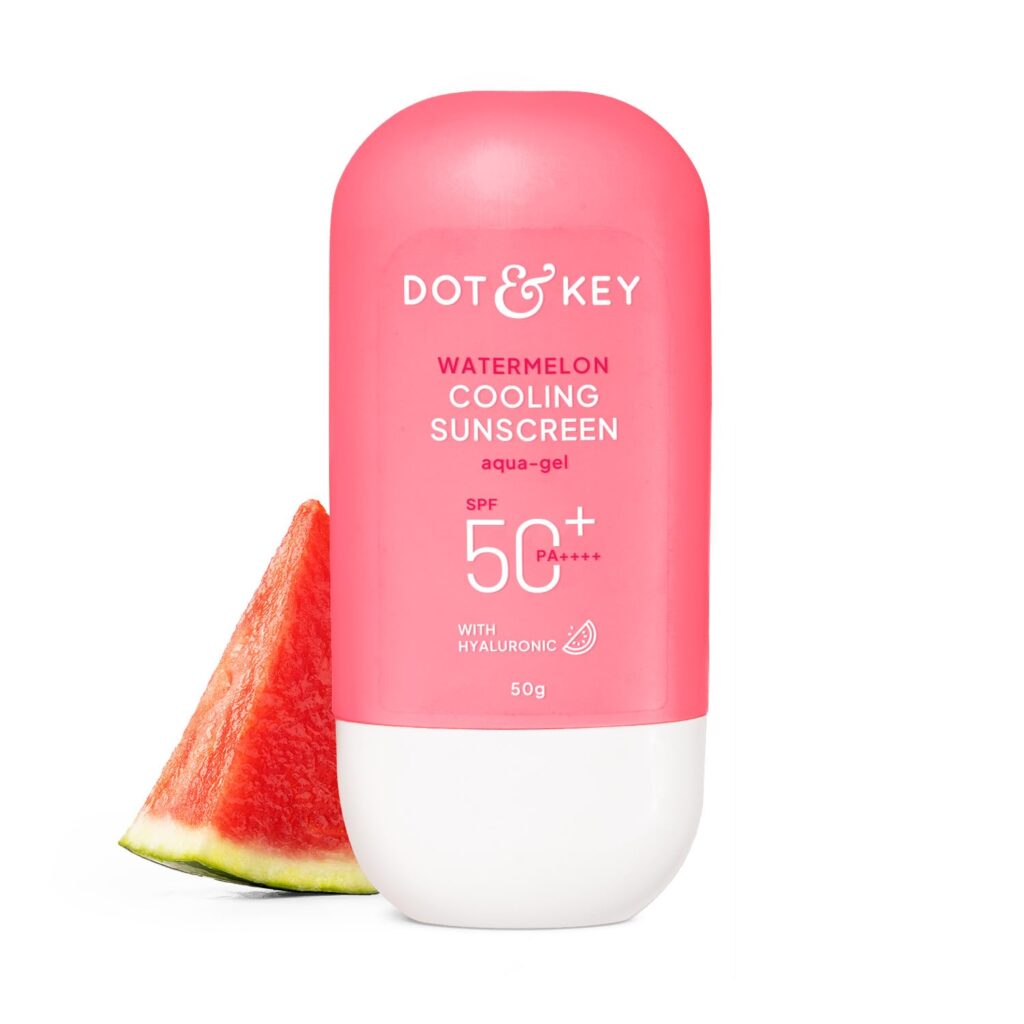
Should you choose SPF 30 or SPF 50?
For everyday wear under foundation, SPF 30 or higher is a practical choice. If you spend significant time outdoors, SPF 50 provides extra protection against intense sunlight.
The American Academy of Dermatology recommends using a broad-spectrum, water-resistant sunscreen with an SPF of 30 or higher every single day. SPF primarily describes protection against UVB radiation, which causes sunburn.
For broader defense against premature aging and long-term damage, pick a formula labeled broad spectrum. According to FDA sunscreen guidelines, broad-spectrum testing ensures that UVA protection increases proportionally with the product’s SPF level.
Remember that higher SPF does not mean you can apply less product. The amount you put on your face matters far more than the number on the bottle.
1. Look for a lightweight texture
Texture is one of the most critical factors when wearing sunscreen under makeup.
Heavy creams trap oil and heat against your face, which makes foundation slide off quickly. A lightweight fluid, gel, or thin lotion feels comfortable and sets cleanly on oily skin.
Good texture options for oily skin
| Sunscreen texture | How it feels on skin | Makeup compatibility | Best fit |
| Gel | Lightweight and cooling | Excellent | Dehydrated oily skin |
| Fluid | Very thin and spreadable | Excellent | Extreme oil production |
| Lightweight lotion | Soft and hydrating | Good | Combination to oily skin |
| Cream | Rich and moisturizing | Variable | Normal to dry skin |
| Heavy balm | Thick and occlusive | Poor under makeup | Very dry or compromised skin |
Texture alone does not guarantee performance. Two products with the same gel texture can behave differently depending on how the ingredients interact with your foundation.
What about a matte finish?
A matte or natural finish helps control shine in your T-zone during the afternoon.
However, an ultra-matte sunscreen can sometimes backfire. If a product leaves your skin feeling tight, your foundation may cling to dry patches or look cakey. Aim for a balanced formula that offers comfortable oil control without stripping your skin.
2. Choose sunscreen that works with your foundation
Even an excellent sunscreen can cause makeup problems if the two formulas clash.
When your daily SPF and foundation are incompatible, you might experience:
- Foundation pilling into small flakes
- Uneven pigment coverage
- Patchy patches around the cheeks
- Excess shine within two hours
- Makeup separating around the nose and forehead
- Foundation sliding when you touch your face
These issues do not mean your sunscreen is bad. They usually indicate a formula mismatch between your skincare, SPF, primer, and makeup base. Building a cohesive skincare routine for oily skin ensures all your morning products layer without balling up.
How to test sunscreen under makeup
Before wearing a new sunscreen to an important event, test it with your daily foundation on a normal morning.
Follow this simple testing routine:
- Cleanse your face thoroughly.
- Apply a lightweight serum or an oil-free moisturizer if needed.
- Apply your full dose of sunscreen evenly across your face and neck.
- Let the sunscreen set completely for 3 to 5 minutes.
- Apply primer if you normally use one.
- Apply foundation using a damp makeup sponge.
- Check your face after 1 hour and again at 4 hours.
Pay attention to whether your makeup remains smooth and how much oil breaks through in your T-zone. Pressing foundation onto your skin with a damp sponge reduces friction and prevents disturbing the underlying SPF layer.
3. Don’t sacrifice sun protection for a better makeup finish
One of the biggest mistakes people make with oily skin is picking an SPF product purely because it doubles as a smoothing cosmetic primer.
Sunscreen serves a vital health function. A product that makes your skin look blurry but lacks sufficient filter density or application volume leaves you vulnerable to UV damage.
What to check on the label
Before purchasing the best sunscreen under makeup for oily skin, check these essential label details:
- SPF rating: Look for SPF 30 or higher.
- Broad-spectrum claim: Verifies protection against both UVA and UVB rays.
- Water resistance: Helps if you sweat during humid summer days.
- Directions for use: Indicates how far in advance to apply before sun exposure.
- Expiration date: Active UV filters degrade over time and lose effectiveness.
If you spend most of your day indoors, your needs will differ from someone working outside or spending the day at the beach. Match your sunscreen selection to your actual daily environment.
4. Apply enough sunscreen before makeup
This is where many makeup wearers run into trouble.
Using a tiny dot of product to avoid shine drastically reduces your UV protection. If you only apply half the recommended amount, you receive a fraction of the SPF rating listed on the package.
How much sunscreen should you use?
For your face and neck, squeeze out approximately two full finger lengths of product.
To get full broad-spectrum defense, apply this entire amount evenly. The Skin Cancer Foundation notes that most people apply less than half the required amount of sunscreen, which leads to inadequate sun protection.
Never mix sunscreen directly into your liquid foundation to save time. Mixing alters the emulsion structure, dilutes the UV filters, and creates uneven coverage on your skin.
Give sunscreen time to set
After applying your daily SPF, wait 3 to 5 minutes before reaching for foundation.
Allowing the formula to set provides clear benefits:
- Eliminates product pilling
- Prevents foundation from streaking
- Prevents makeup from sliding around
- Ensures an even, continuous protective film on your skin
Use those waiting minutes to brush your teeth, style your hair, or pick out your outfit for the day.
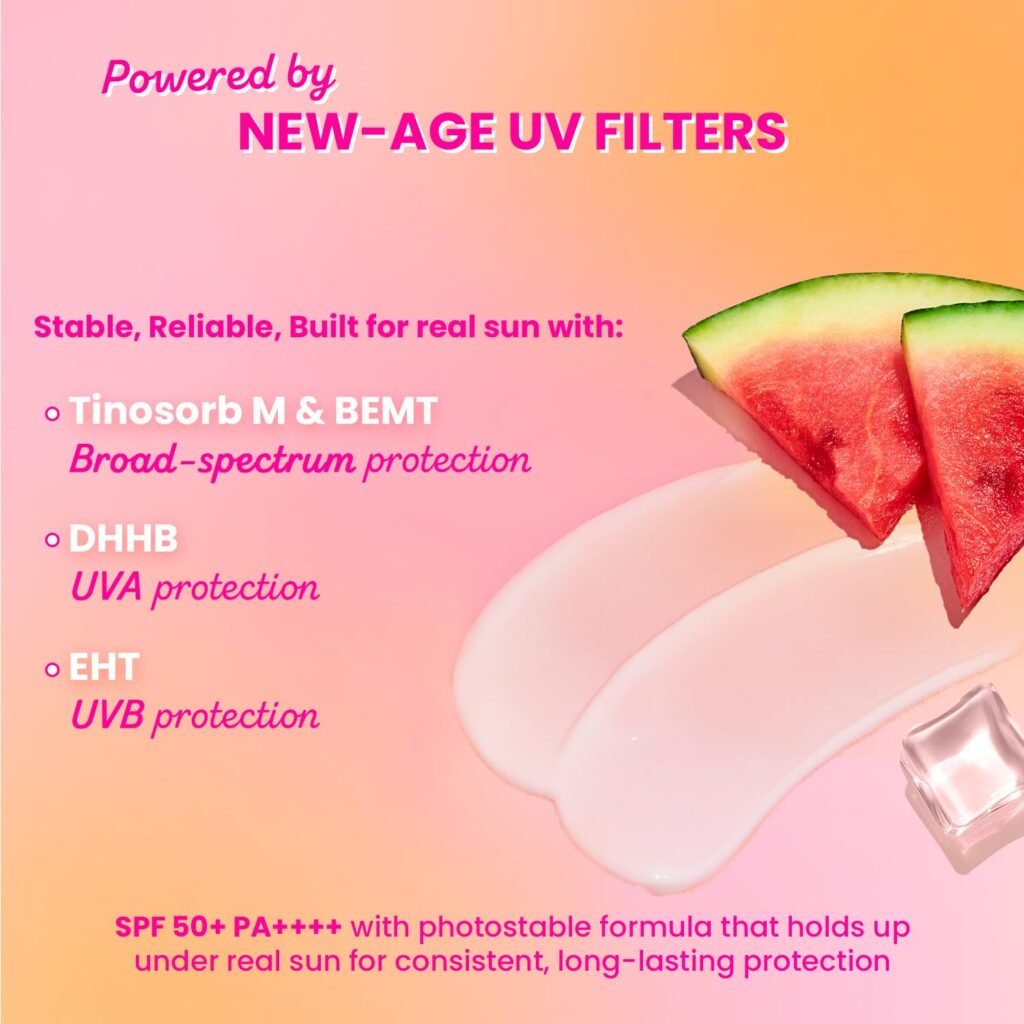
5. Ingredients and features worth considering
You do not need a complicated ingredient list to get great results. Focus on lightweight, oil-absorbing ingredients that keep shine under control while maintaining skin hydration.
When shopping for the best sunscreen under makeup for oily skin, look for these helpful compounds:
- Silica: Acts like a porous sponge to absorb excess sebum throughout the day.
- Niacinamide: Helps regulate sebum production over time and soothes redness.
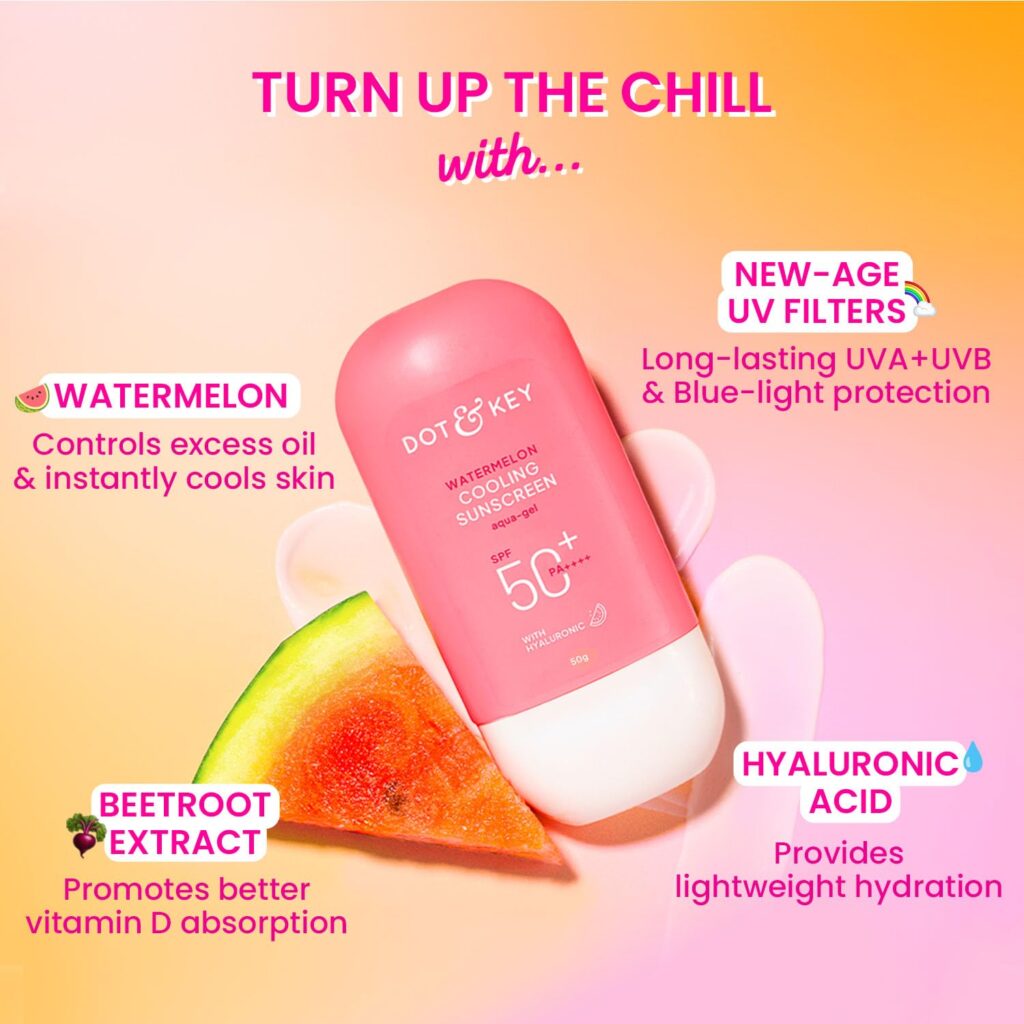
- Hyaluronic acid: Delivers weightless hydration so your skin does not overproduce oil.
- Alcohol denat: Helps fluid formulas dry down fast, leaving a fresh, weightless feel.
Look for descriptions like oil-free, non-comedogenic, and matte or natural finish.
If you have acne-prone oily skin
If you experience frequent breakouts alongside oily skin, choose sunscreens explicitly marked non-comedogenic. Non-comedogenic formulas are tested to minimize pore blockage.
If you struggle to find a balanced formula, pairing your SPF with the best moisturizer for oily skin keeps your skin barrier healthy without adding excess oil.
If a specific sunscreen consistently causes irritation or clogged pores, stop using it and test a different active filter combination.
6. Common sunscreen mistakes when wearing makeup
Even high-quality sunscreens perform poorly if applied incorrectly. Avoid these frequent mistakes:
Mistake 1: Using too little product
People often skimp on sunscreen to keep their face from looking shiny. Instead of using less, switch to a thinner fluid texture while maintaining the full two-finger amount.
Mistake 2: Applying foundation immediately
Applying makeup over wet sunscreen disrupts the protective film. Always wait a few minutes for the sunscreen to dry down.
Mistake 3: Forgetting the neck and ears
Your face is not the only area exposed to UV rays. Extend your sunscreen down your neck, behind your ears, and over your chest. If you suffer from dry patches on the body, using the best body lotion for dry skin keeps those areas hydrated without affecting your facial routine.
Mistake 4: Assuming makeup SPF is enough
Foundations and BB creams with SPF rarely provide adequate protection because you would need to apply a heavy, unnatural layer to achieve the labeled rating. Always apply a dedicated sunscreen first.
Mistake 5: Skipping reapplication
A single morning application does not protect your skin all day. If you spend extended time outdoors, reapply every two hours according to product directions.
How to reapply sunscreen without ruining makeup
Reapplying sunscreen over a full face of makeup can feel tricky, but you have several practical options:
- Use a dry makeup sponge: Place a few drops of lightweight fluid sunscreen onto a sponge and gently press it over your face. Pressing deposits protection without smudging your foundation.
- Dust with SPF powder: Mineral powder sunscreens come with built-in brush applicators. They absorb afternoon oil and add quick UV defense, making them great for touch-ups.
- Use an SPF setting spray: Spritz an SPF setting mist evenly over your face for quick application on the go.
For sensitive skin areas, washing with the best body wash for sensitive skin prevents body breakouts, while dedicated facial products keep your foundation intact.
How to build a simple morning routine for oily skin
A successful morning routine does not require dozens of products. Keeping your routine streamlined helps each layer absorb properly.
Here is an ideal 4-step sequence for oily skin:
- Step 1 — Gentle Cleanser: Remove overnight oil build-up with a mild gel or foaming cleanser.
- Step 2 — Lightweight Serum or Moisturizer: Apply an oil-free serum or light hydration step if your skin feels tight.
- Step 3 — Dedicated Sunscreen: Apply two finger lengths of broad-spectrum sunscreen and let it set for 3 to 5 minutes.
- Step 4 — Makeup: Apply your primer and foundation using gentle pressing motions.
If you are new to building a morning regimen, review our guide on the daily skincare routine for beginners to master basic layering principles.
How to choose the best sunscreen under makeup for oily skin
Use this quick troubleshooting reference to find your ideal match based on your primary skin concern.
- If your main problem is facial shine: Pick a fluid or lotion with silica or niacinamide that offers a matte or natural finish.
- If your main problem is a white cast: Choose a chemical fluid or a tinted mineral formula that blends invisibly into your skin tone.
- If your main problem is pilling: Match your bases. Water-based sunscreens pair best with water-based foundations, and silicone-based sunscreens pair best with silicone foundations.
- If your main problem is dry patches: Avoid ultra-matte formulas. Pick a lightweight gel containing hyaluronic acid for weightless moisture.
- If your main problem is sun spots: Learn how to prevent tanning naturally alongside daily broad-spectrum SPF use.
Sunscreen buying checklist
Before purchasing a new product, ask yourself these 10 questions:
- Does it offer broad-spectrum UVA and UVB defense?
- Is the rating SPF 30 or higher?
- Does the texture feel lightweight on oily skin?
- Does it dry down without leaving a greasy sheen?
- Does it layer smoothly under your foundation?
- Does it avoid pilling when pressed into the skin?
- Does it leave an unwanted white cast on your skin tone?
- Is it suited for your skin sensitivity level?
- Can you realistically apply two finger lengths every day?
- Is it easy to reapply when you spend time outdoors?
Learning how to choose skincare products for your skin type saves time and prevents wasted purchases on mismatched formulas.
Frequently asked questions
Can I wear sunscreen under makeup?
Yes. Sunscreen should be applied as the final step of your morning skincare routine, right before primer and foundation. Choose a lightweight formula so your makeup sits smoothly on top.
Which sunscreen texture is best for oily skin?
Lightweight fluids, gels, and oil-free lotions work best for oily skin. They dry down fast, leave minimal residue, and help control shine throughout the day.
Should I use sunscreen if my foundation already has SPF?
Yes. Foundation with SPF is rarely enough because you would need to apply a thick, cakey layer to get the protection listed on the label. Always use a dedicated sunscreen underneath makeup.
Does sunscreen cause oily skin?
Heavy or occlusive sunscreens can make your skin look extra shiny, but lightweight formulas designed for oily skin will not. Look for oil-free, mattifying liquids that absorb quickly.
Can I reapply sunscreen over makeup?
Yes. You can press a lightweight sunscreen fluid over your makeup using a dry cosmetic sponge, dust with an SPF powder, or mist with an SPF setting spray during the day.
Final thoughts
Finding the best sunscreen under makeup for oily skin comes down to picking the right combination of broad-spectrum UV protection, lightweight texture, oil-control ingredients, and makeup compatibility.
Start with an SPF 30 or higher fluid or gel formula. Apply two full finger lengths, wait 3 to 5 minutes for the layer to set, and press your foundation on top with a damp sponge.
Prioritize reliable sun protection first and a comfortable makeup finish second. When you find a weightless formula you enjoy wearing every morning, protecting your skin becomes an effortless part of your daily cosmetic routine.