Choosing a body lotion sounds simple until you are standing in front of a shelf filled with products for dry, oily, sensitive, normal, and combination skin. Some feel too greasy, others disappear too quickly, and a few may even leave sensitive skin feeling uncomfortable.
So, what is the best body lotion for all skin types?
The answer is not necessarily the thickest or most expensive formula. A good everyday body lotion should provide enough moisture without making the skin feel excessively oily or heavy. It should also contain skin-friendly ingredients and be comfortable enough for regular use.
In this guide, you’ll learn how to choose the best body lotion for all skin types, which ingredients to look for, what to avoid, how to apply lotion correctly, and how to choose a formula based on your skin’s needs.
What Makes a Body Lotion Suitable for All Skin Types?
A body lotion designed for different skin types should offer balanced hydration while maintaining a comfortable skin feel.
Short answer: The best all skin type body lotion is generally a lightweight or medium-textured moisturizer with hydrating and barrier-supporting ingredients that can be adjusted according to individual skin needs.
Look for formulas containing ingredients such as:
- Glycerin – attracts water to the outer layer of the skin.
- Ceramides – help support the skin barrier.
- Hyaluronic acid – helps provide hydration.
- Squalane – helps soften and moisturize the skin.
- Shea butter – provides richer moisturization, particularly useful for dry areas.
- Panthenol – helps condition and soothe the skin.
- Petrolatum – helps reduce moisture loss when a more occlusive formula is needed.
The ideal texture depends on your skin. Someone with dry skin may prefer a cream, while someone with oily or humid-weather skin may be more comfortable with a lightweight lotion.
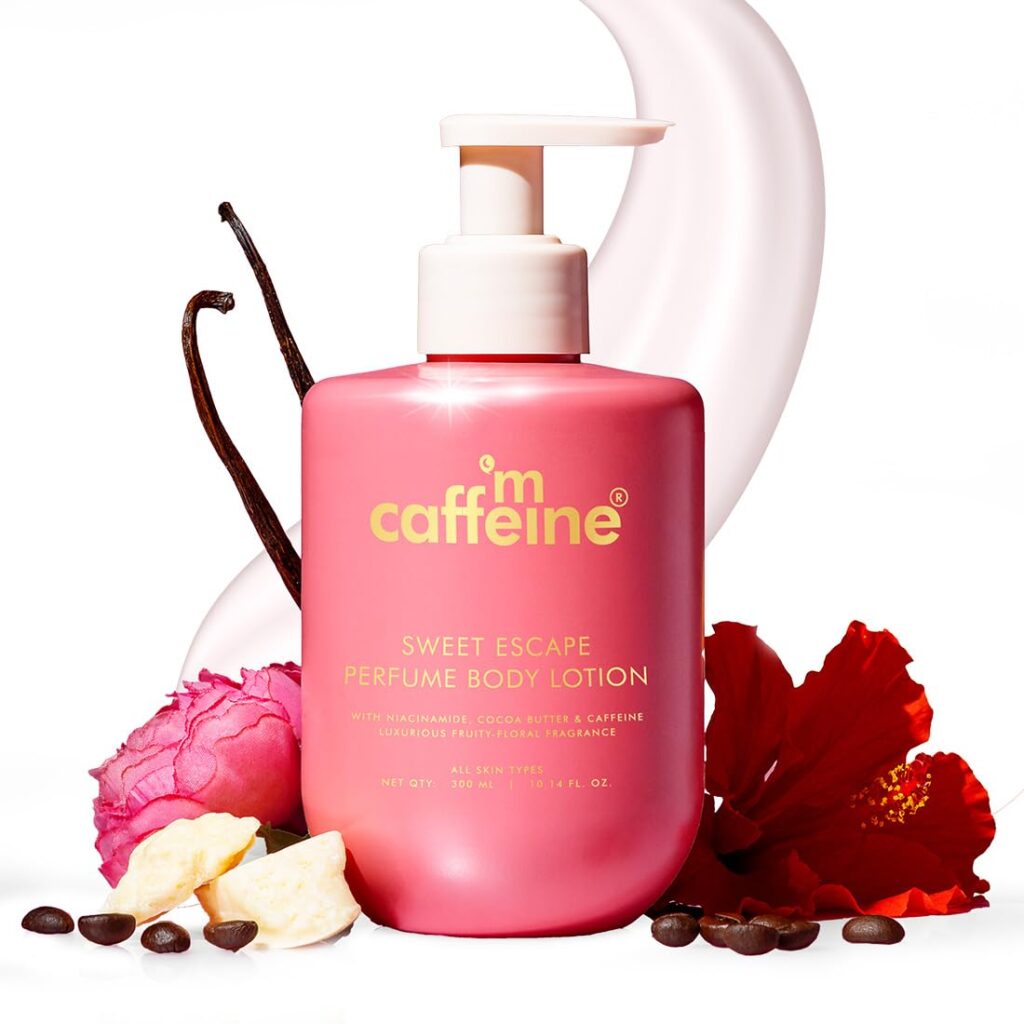
Why Texture Matters
Ingredients are important, but texture affects whether you’ll actually use the product consistently.
A lotion that feels sticky or greasy may end up sitting unused on your shelf. For everyday application, a formula that spreads easily and absorbs comfortably can make moisturizing a much easier habit.
How to Choose the Best Body Lotion for Your Skin Type
There isn’t one formula that will feel exactly the same on everyone’s skin. Instead, think of an all-skin-type lotion as a versatile starting point.
For Normal Skin
Normal skin usually doesn’t require an extremely rich formula.
Choose a lotion with:
- Lightweight to medium texture
- Humectants such as glycerin
- Barrier-supporting ingredients
- A comfortable, non-sticky finish
Apply once daily, particularly after bathing, to help maintain comfortable skin.
For Dry Skin
Dry skin generally benefits from richer moisturization and ingredients that help reduce water loss.
Look for:
- Ceramides
- Shea butter
- Glycerin
- Petrolatum
- Squalane
- Fatty acids
A cream or rich lotion may work better than an extremely lightweight moisturizer. If you find your skin feels parched even after moisturizing, you might need a best body lotion for dry skin.
Practical tip: Apply your lotion while the skin is still slightly damp after a shower. This can help trap moisture on the skin.
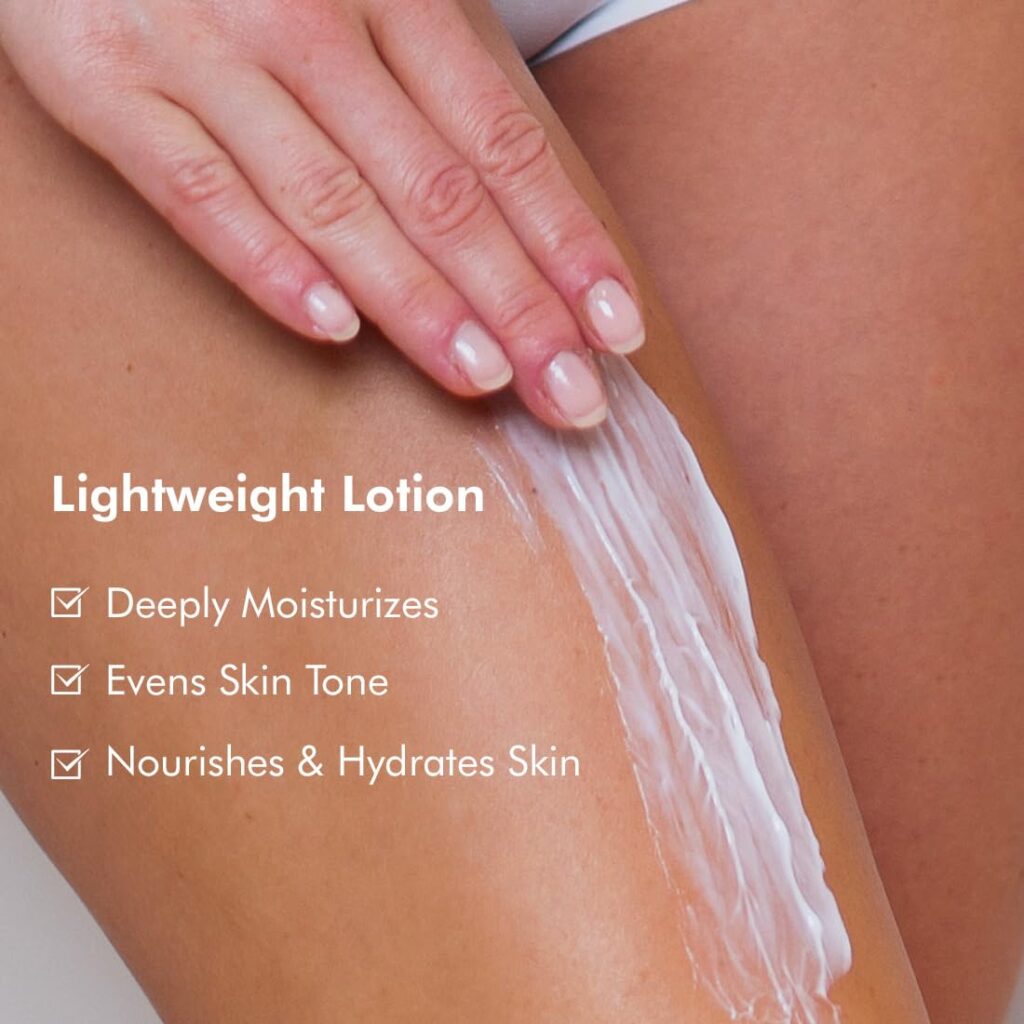
For Oily or Sweat-Prone Skin
Body skin can also become oily, especially in hot or humid weather.
A lightweight lotion or gel-cream may be more comfortable. Look for products that absorb easily without leaving a heavy layer.
You may prefer:
- Lightweight lotions
- Gel-creams
- Non-greasy formulas
- Fragrance-free options if your skin is easily irritated
You don’t necessarily need to stop moisturizing just because your skin feels oily. The goal is to choose an appropriate texture.
For Sensitive Skin
Sensitive skin often benefits from keeping a routine simple. To learn more about managing reactive skin, you can explore how to care for sensitive skin.
Consider:
- Fragrance-free formulas
- Fewer unnecessary additives
- Ceramides
- Glycerin
- Panthenol
- Gentle moisturizing ingredients
If a product causes burning, persistent redness, itching, or discomfort, stop using it. The American Academy of Dermatology recommends discussing persistent reactions with a board-certified dermatologist. Finding the best moisturizer for sensitive skin requires careful attention to ingredients.
For Combination Skin
Combination skin can require different textures on different areas.
For example, you might use a lighter lotion on areas that feel comfortable and apply a richer cream to particularly dry elbows, knees, hands, or feet.
This approach can be more practical than trying to find one heavy formula for the entire body.
Ingredients to Look for in the Best Body Lotion
Reading the ingredient list can make choosing a product much easier.
1. Glycerin
Glycerin is a commonly used humectant. It helps attract and retain water in the outer layers of the skin, making it a useful ingredient for everyday hydration.
2. Ceramides
Ceramides are lipids naturally found in the skin barrier. Moisturizers containing ceramides can help support the barrier, making them particularly useful for dry or compromised-feeling skin.
3. Hyaluronic Acid
Hyaluronic acid is another humectant used in moisturizers. It helps increase water content in the outer layers of the skin. Despite its popularity in facial skincare, it can also be useful in body moisturizers.
4. Shea Butter
Shea butter provides emollient and occlusive properties and can make a formula feel richer. It can be particularly helpful for rough, dry areas. However, people who dislike rich textures may prefer a lighter formula.
5. Squalane
Squalane is an emollient that helps soften the skin. It can provide moisturization without necessarily producing the heavy feeling associated with some thick creams.
6. Petrolatum
Petrolatum is a highly effective occlusive ingredient. According to the FDA regulations on skin protectants, petrolatum helps reduce water loss from the skin and is especially useful when the skin is very dry. Because it can feel heavy, some people prefer using it mainly on very dry areas rather than across the entire body.
How to Use Body Lotion for Better Results
Even a good moisturizer won’t be very useful if it is applied inconsistently.
Follow this simple routine:
- Take a shower using comfortably warm rather than very hot water. Pairing your lotion with a gentle body wash for daily shower use can also improve results.
- Gently pat the skin dry with a towel.
- Leave the skin slightly damp.
- Apply body lotion generously.
- Massage it gently until distributed evenly.
- Pay extra attention to dry areas such as elbows, knees, ankles, and feet.
When Is the Best Time to Apply Body Lotion?
The easiest time is immediately after bathing, while the skin is still slightly damp.
You can also apply lotion whenever your skin feels dry or tight during the day.
For very dry skin, applying a richer moisturizer in the evening can be useful because you don’t have to worry as much about the texture feeling heavy under clothing.
Common Body Lotion Mistakes to Avoid
Buying the right lotion is only half the process. How you use it also matters.
Using Very Hot Water
Long, hot showers can leave skin feeling drier. If your skin regularly feels tight after bathing, consider shortening your shower and using comfortably warm water.
Applying Lotion Only When Skin Feels Extremely Dry
Moisturizing doesn’t have to be an emergency treatment. Consistent application can make it easier to maintain comfortable skin.
Choosing Based Only on Fragrance
A pleasant scent can make a product enjoyable, but fragrance isn’t what makes a lotion effective at moisturizing.
If you have sensitive skin, a fragrance-free option may be a better choice.
Using a Heavy Cream Everywhere
A thick moisturizer isn’t automatically better.
If your arms and legs are comfortable with a lightweight lotion but your heels are extremely dry, you can use different textures where needed.
Ignoring the Ingredient List
Marketing terms such as “ultra-hydrating” or “deep moisture” don’t tell you everything about a product.
Check the ingredients and choose a formula that matches your skin’s needs.
Body Lotion vs. Body Cream: Which Is Better?
Both can moisturize the skin, but their textures are different.
| Feature | Body Lotion | Body Cream |
| Texture | Usually lighter | Usually thicker |
| Best for | Everyday hydration | Dry or very dry skin |
| Absorption | Generally faster | Can feel richer |
| Hot weather | Often more comfortable | May feel heavy |
| Dry areas | Depends on formula | Usually better suited |
| Daily use | Yes | Yes, depending on preference |
There is no universal winner.
If you live in a hot or humid climate, you may prefer a lighter lotion during the day. During colder or drier weather, a richer cream may feel more comfortable.
How to Choose a Body Lotion When Shopping
Instead of choosing the first product labeled “moisturizing,” use a simple checklist.
Check the Skin Type
Ask yourself:
- Does my skin feel tight after bathing?
- Do I have rough patches?
- Does my skin become oily or sweaty easily?
- Is my skin easily irritated?
- Do I prefer a light or rich texture?
Your answers can narrow down your options.
Check the Key Ingredients
Look for ingredients that support your specific needs rather than choosing based on the front label alone.
For everyday hydration, glycerin is a useful ingredient to look for. For barrier support, ceramides may be helpful. For very dry areas, richer ingredients such as shea butter or petrolatum may be appropriate.
Consider Fragrance
If you enjoy scented skincare and your skin tolerates fragrance well, a fragranced lotion may be perfectly comfortable.
If your skin is sensitive or easily irritated, fragrance-free products are worth considering. Organizations like the National Eczema Association often recommend fragrance-free formulations for easily irritated skin.
Consider the Climate
Your environment can influence which texture feels comfortable.
In warm, humid conditions, a lightweight lotion may be easier to use consistently. In dry or cooler conditions, you may prefer a richer formula.
A Simple Body Care Routine
You don’t need a complicated routine to maintain moisturized body skin. Learning how to build a simple skincare routine is the best way to ensure you stick with it.
Morning
- Shower with comfortably warm water. Using the best body wash for dry skin can help prevent that tight feeling.
- Gently pat the skin dry.
- Apply body lotion.
- Use the best sunscreen for everyday use on exposed areas during daytime outdoor exposure. The Skin Cancer Foundation stresses the importance of daily sun protection.
Evening
- Cleanse the skin gently.
- Apply lotion after bathing or washing.
- Use a richer moisturizer on particularly dry areas if necessary.
Consistency is more important than having a large collection of products.
Frequently Asked Questions
What is the best body lotion for all skin types?
The best body lotion for all skin types is generally a lightweight or medium-textured lotion containing hydrating and barrier-supporting ingredients such as glycerin and ceramides. Individual preferences and skin concerns still matter.
Can I use body lotion every day?
Yes. Most people can use body lotion daily, especially after bathing. Regular moisturizing can help keep the skin feeling soft and comfortable.
Is body lotion better than body cream?
Neither is universally better. Lotion is generally lighter, while cream tends to be richer. Choose based on your skin type, climate, and preferred texture.
Should I apply body lotion before or after a shower?
Apply it after your shower, ideally while the skin is still slightly damp. This is a convenient time to moisturize and can help reduce moisture loss.
Can people with oily skin use body lotion?
Yes. Oily or sweat-prone skin can still benefit from moisturizing. A lightweight, fast-absorbing lotion may feel more comfortable than a heavy cream.
Final Thoughts
Finding the best body lotion for all skin types is less about choosing the most expensive product and more about understanding what your skin actually needs.
For everyday use, look for a comfortable formula with proven moisturizing ingredients such as glycerin, ceramides, or other suitable emollients. Choose a lighter texture if you dislike heaviness and a richer cream when your skin needs more intensive moisturization.
Most importantly, make moisturizing a consistent part of your body-care routine. Apply lotion after bathing, pay attention to areas that become particularly dry, and adjust the formula according to changes in your skin, weather, and personal comfort.
CTA: Before buying your next body lotion, check the ingredient list, texture, fragrance, and your skin’s specific needs. A simple, well-chosen moisturizer that you enjoy using regularly is often the best choice for long-term body care.