Why choosing the right night cream matters
Your nighttime skincare routine gives your skin consistent care while you sleep. A good night cream helps support the skin barrier, reduces dryness, improves softness, and leaves your skin looking healthier by morning.
But picking the best night cream for glowing skin takes a bit of effort. The right formula depends on your skin type, concerns, climate, and the ingredients you actually tolerate well.
Some people need lightweight hydration. Others benefit from a richer cream to stop moisture loss. If your skin looks dull, feels tight, or becomes dry overnight, the right moisturizer usually makes a noticeable difference.
What is the best night cream for glowing skin?
The best night cream for glowing skin provides targeted hydration, supports the skin barrier, and suits your individual skin type without causing irritation or clogged pores.
Look for the best ingredients for glowing skin based on your specific needs:
| Skin concern | Ingredients to consider |
| Dry skin | Ceramides, hyaluronic acid, glycerin, squalane |
| Dull skin | Niacinamide, gentle antioxidants |
| Oily skin | Lightweight humectants, niacinamide |
| Sensitive skin | Ceramides, glycerin, soothing ingredients |
| Uneven-looking skin | Niacinamide and other well-tolerated brightening ingredients |
| Dehydrated skin | Hyaluronic acid, glycerin, panthenol |
A night cream rarely needs dozens of active ingredients. A basic formula that you tolerate consistently beats a complicated product that causes redness or dryness.
Night cream vs. day moisturizer
Nighttime products focus heavily on hydration and barrier support. They are usually richer because they skip the sunscreen and do not need to sit perfectly underneath makeup.
A daytime routine generally prioritizes sun protection. A nighttime routine focuses on cleansing, moisturizing, and specific treatments.
How to choose the best night cream for your skin type
Your skin type determines the kind of night cream you need. A product that works beautifully for dry skin usually feels heavy and uncomfortable on oily skin. A lightweight gel rarely provides enough comfort for very dry skin. Check the American Academy of Dermatology’s guide on skin types if you are unsure about yours.
1. Best night cream for dry skin
Dry skin often feels tight, rough, or uncomfortable, particularly after cleansing.
Look for a face cream for dry skin containing moisturizing and barrier-supporting ingredients like:
- Ceramides
- Glycerin
- Hyaluronic acid
- Squalane
- Panthenol
- Fatty acids
A richer cream helps when your skin loses moisture easily. But heavier does not always mean better. Choose a formula that leaves your skin comfortable, not excessively greasy.
Practical tip: Apply your night cream while your skin is slightly damp after cleansing. This helps reduce that tight, dry feeling.
2. Best night cream for oily skin
Oily skin still gets dehydrated. Producing excess oil does not mean your skin has enough water or that it can skip moisturizer.
Look for lightweight textures like:
- Gel creams
- Lightweight lotions
- Oil-free moisturizing formulas
- Non-comedogenic products
Ingredients like glycerin, hyaluronic acid, and niacinamide are highly effective, depending on the overall formulation and your skin’s tolerance.
Avoid extremely heavy products that promise intense overnight hydration.
3. Best night cream for combination skin
Combination skin is tricky. Some areas feel oily while others feel dry.
A lightweight-to-medium moisturizer often works best. You can also adjust the amount depending on the area of your face.
Try this approach:
- Apply a normal layer to dry areas.
- Use a thinner layer on oilier areas.
- Avoid piling several heavy products on top of one another.
Your skin rarely needs the exact same amount of product everywhere.
4. Best night cream for sensitive skin
Sensitive skin needs simplicity.
Look for products with a short ingredient list and compounds that support the skin barrier. Ceramides, glycerin, and panthenol are standard ingredients in gentle moisturizing products.
If your skin is easily irritated, avoid heavily fragranced products or formulas containing multiple strong active ingredients.
Patch testing helps you identify potential irritation before you apply a new product across your entire face.
5. Best night cream for normal skin
Normal skin gives you options. You can select a cream based on your main concern, whether that is hydration, dullness, texture, or simply maintaining comfortable skin.
You rarely need an extremely rich product if your skin already feels balanced.
A comfortable moisturizer for glowing skin that you use consistently is usually enough.
Key ingredients to look for in a night cream
Understanding ingredients makes skincare shopping much easier. You can focus on what the formula actually does rather than relying on packaging claims.
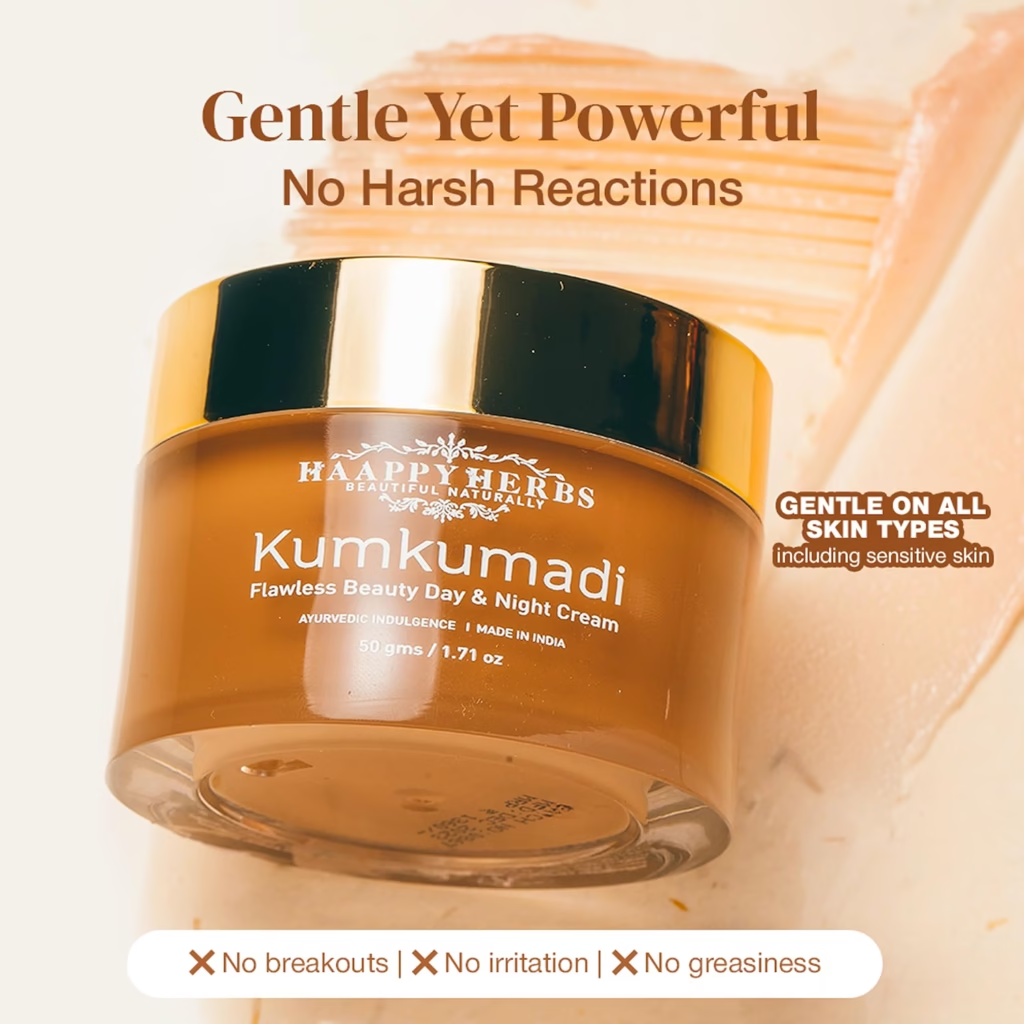
Ceramides
Ceramides are lipids naturally found in the skin barrier. Skincare products use ceramides to support the skin barrier and reduce moisture loss. (See PubMed’s clinical research on ceramides for the exact science).
They are highly effective if your skin feels dry, rough, or compromised.
Hyaluronic acid
Hyaluronic acid is a humectant that attracts and holds water. It is a staple ingredient in moisturizers designed for hydration.
It is a hydrating ingredient, not an exfoliating acid.
Glycerin
Glycerin is another widely used humectant. It increases the water content in the outer layers of the skin.
It is a simple ingredient, but simple does not mean ineffective. It is found in nearly all effective moisturizers.
Niacinamide
Niacinamide, a form of vitamin B3, supports the skin barrier and improves the appearance of uneven skin tone.
It is a useful addition when you want more than basic moisturization. Higher concentrations are not necessarily better for everyone, so start slowly.
Squalane
Squalane is an emollient that softens the skin. It is particularly appealing in moisturizers designed for dry or dehydrated skin.
Panthenol
Panthenol is common in moisturizing and soothing skincare products. It pairs well with other hydrating ingredients in a nighttime moisturizer.
How to use night cream correctly
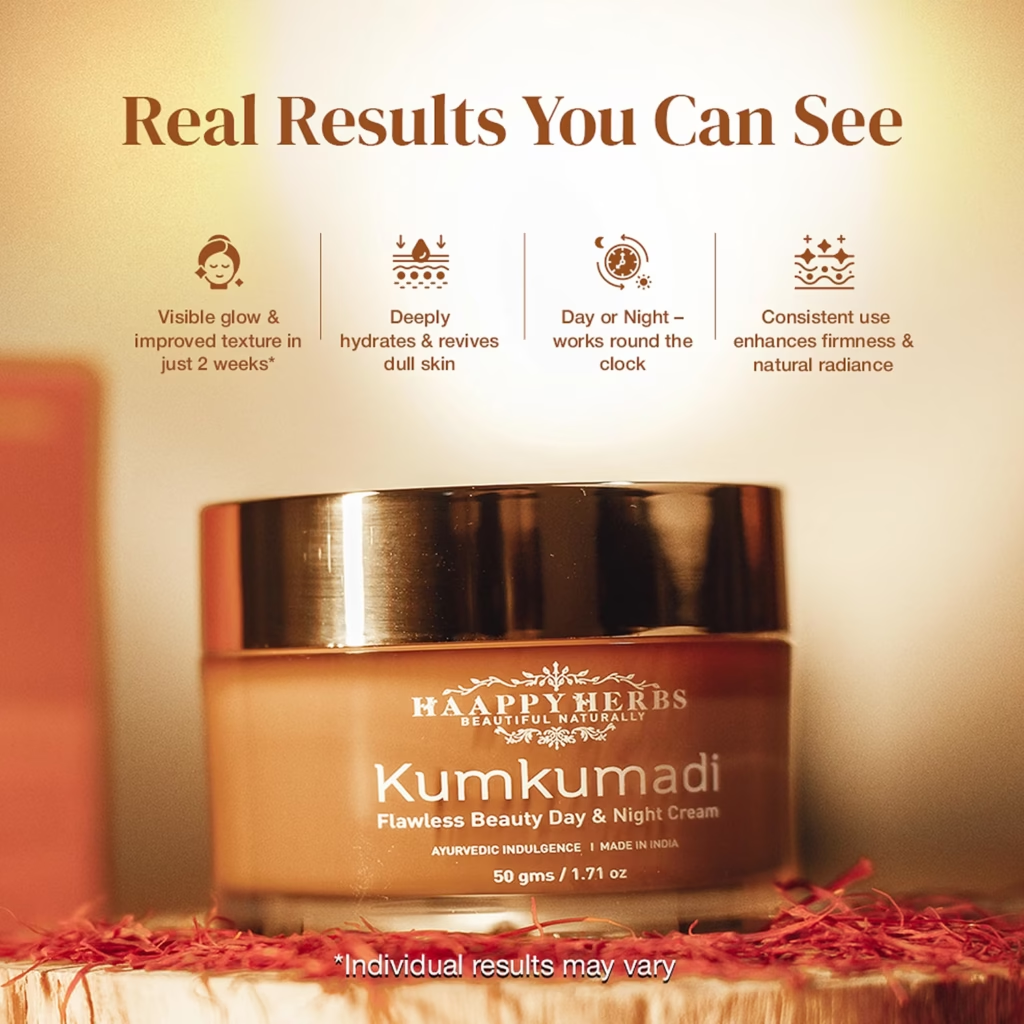
Even the best night cream for glowing skin fails if you apply it inconsistently or use too much.
Follow a simple nighttime skincare routine:
Step 1: Cleanse your face Remove sunscreen, makeup, excess oil, and daily buildup with a cleanser appropriate for your skin. Avoid scrubbing aggressively. Over-cleansing leaves most skin types feeling dry and uncomfortable.
Step 2: Apply your treatment products If you use a face serum for glowing skin, apply it according to the product’s instructions. You do not need multiple serums just because they exist. Combining too many active products makes a routine unnecessarily complicated and increases the chance of irritation.
Step 3: Apply your night cream Use an appropriate amount and spread it gently across your face and neck. Applying a very thick layer offers no real benefit if a normal amount already provides sufficient hydration.
Step 4: Give your routine time Consistency matters more than constantly changing products. Use your routine regularly and observe how your skin responds. Do not expect an immediate transformation after one night.
When should you apply night cream?
Apply night cream after cleansing and after lightweight treatment products. It is generally the final moisturizing step of your routine.
A typical order is: Cleanser → Serum/Treatment → Night Cream
If you use a particularly rich treatment or a product recommended by a dermatologist, the order may vary depending on the specific formulation. Follow the directions for your individual products.
Common mistakes to avoid
Choosing a good moisturizer is only part of the process. How you use it matters.
Using too much product
More cream does not equal more hydration. A thick layer usually feels uncomfortable, especially if you have oily or combination skin. Start with the recommended amount and adjust if necessary.
Changing products too frequently
If you change your moisturizer every few days, you cannot determine which product is helping or irritating your skin. Give a routine enough time to work, unless you experience immediate irritation.
Ignoring your skin type
A heavily occlusive cream feels comfortable on dry skin but terrible on oily skin. An extremely lightweight gel usually fails to help someone with significant dryness.
Using too many actives
Retinoids, exfoliating acids, and vitamin C products all have a place in skincare. But combining multiple strong products without understanding their compatibility increases irritation. A simple routine is much easier to maintain.
Expecting overnight results
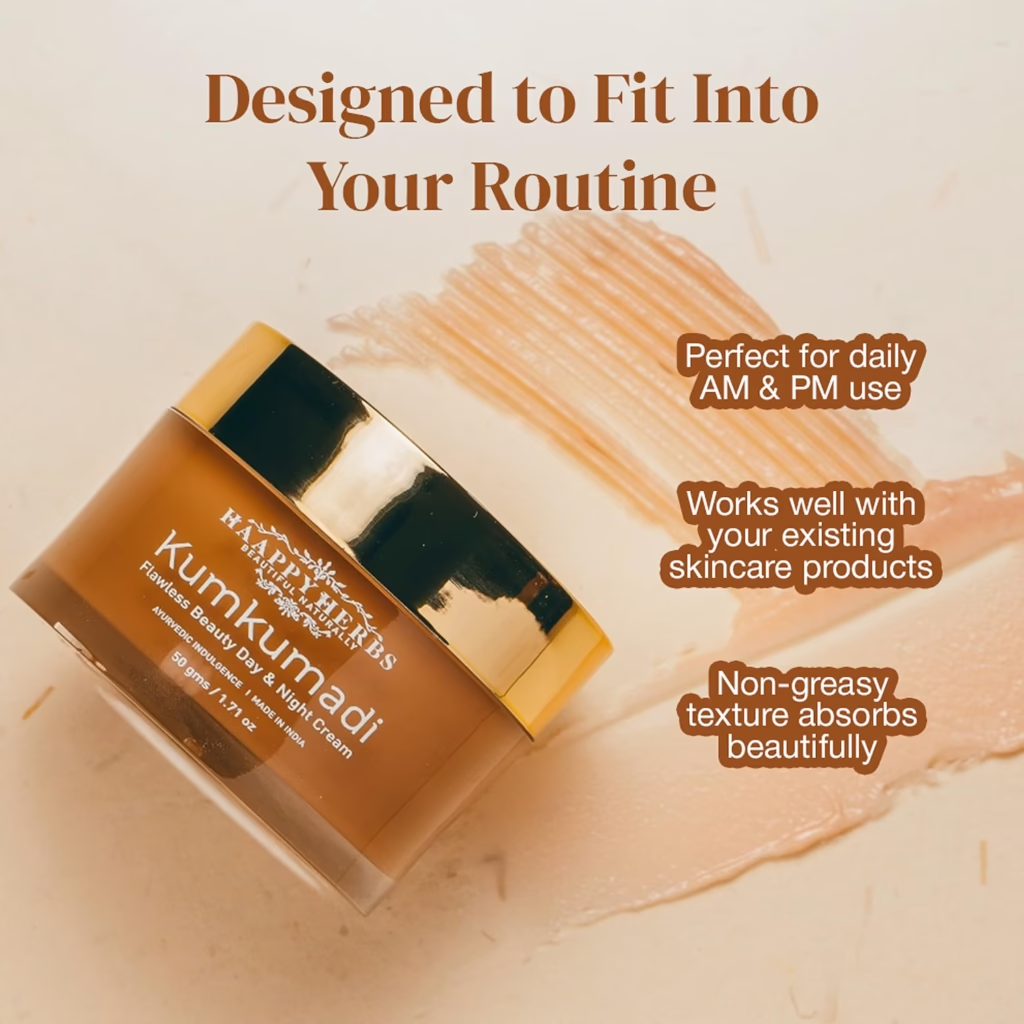
The term “night cream” creates unrealistic expectations. A moisturizer improves hydration and makes skin feel softer relatively quickly. Concerns like uneven tone, acne, or visible signs of aging require a consistent routine and sometimes professional advice.
How to build a simple nighttime skincare routine
You do not need a ten-step routine to take good care of your skin. A skincare routine for beginners usually looks like this:
| Step | Product | Purpose |
| 1 | Gentle cleanser | Removes daily buildup |
| 2 | Hydrating serum | Adds targeted hydration |
| 3 | Treatment, if needed | Addresses a specific concern |
| 4 | Night cream | Moisturizes and supports the barrier |
If your skin is sensitive, you can make it even simpler: Cleanser → Night Cream
That is completely reasonable. If your skin already feels comfortable and hydrated, you do not need to add several additional products.
Can night cream make skin glow?
A good night cream helps skin look more hydrated, smooth, and healthy. This contributes to a more radiant appearance. But a single product does not produce glowing skin.
A healthy-looking complexion relies on several factors:
- Regular moisturization
- Daily sunscreen use
- Gentle cleansing
- Adequate sleep
- Overall lifestyle
- Skin type
- Genetics
- Consistent skincare habits
View the best night cream for glowing skin as one part of a complete skincare routine, not a standalone miracle solution.
Hydration vs. brightening
These terms frequently get confused.
Hydration refers to the water content of the skin. It makes skin appear plumper and more comfortable.
Brightening refers to improving the appearance of dullness or uneven-looking skin tone. (Harvard Health explains the basics of skin hydration in deeper detail).
A moisturizer supports hydration. Certain active ingredients target other concerns. The two goals overlap, but they are different processes.
How to select a night cream when shopping
When you choose skincare products, look past the packaging. Check:
1. Ingredient list Look for ingredients that match your skin’s needs. If your main concern is dryness, prioritize moisturizing and barrier-supporting ingredients. Do not choose a product simply because the label says “glow.”
2. Texture Consider whether you prefer:
- Gel
- Gel cream
- Lotion
- Cream
- Rich balm-like texture
Texture largely dictates whether you will actually use the product consistently.
3. Fragrance Fragrance is fine for many people. If your skin is sensitive or easily irritated, a fragrance-free option is the safer choice.
4. Your existing routine Think about what you already use. If your serum contains several active ingredients, choose a simpler night cream instead of adding another product packed with actives.
5. Skin response Your skin has the final say. Stop using a product if you develop significant irritation, swelling, burning, or another concerning reaction. Discuss persistent or severe skin problems with a dermatologist.
Best night cream: Quick buying guide
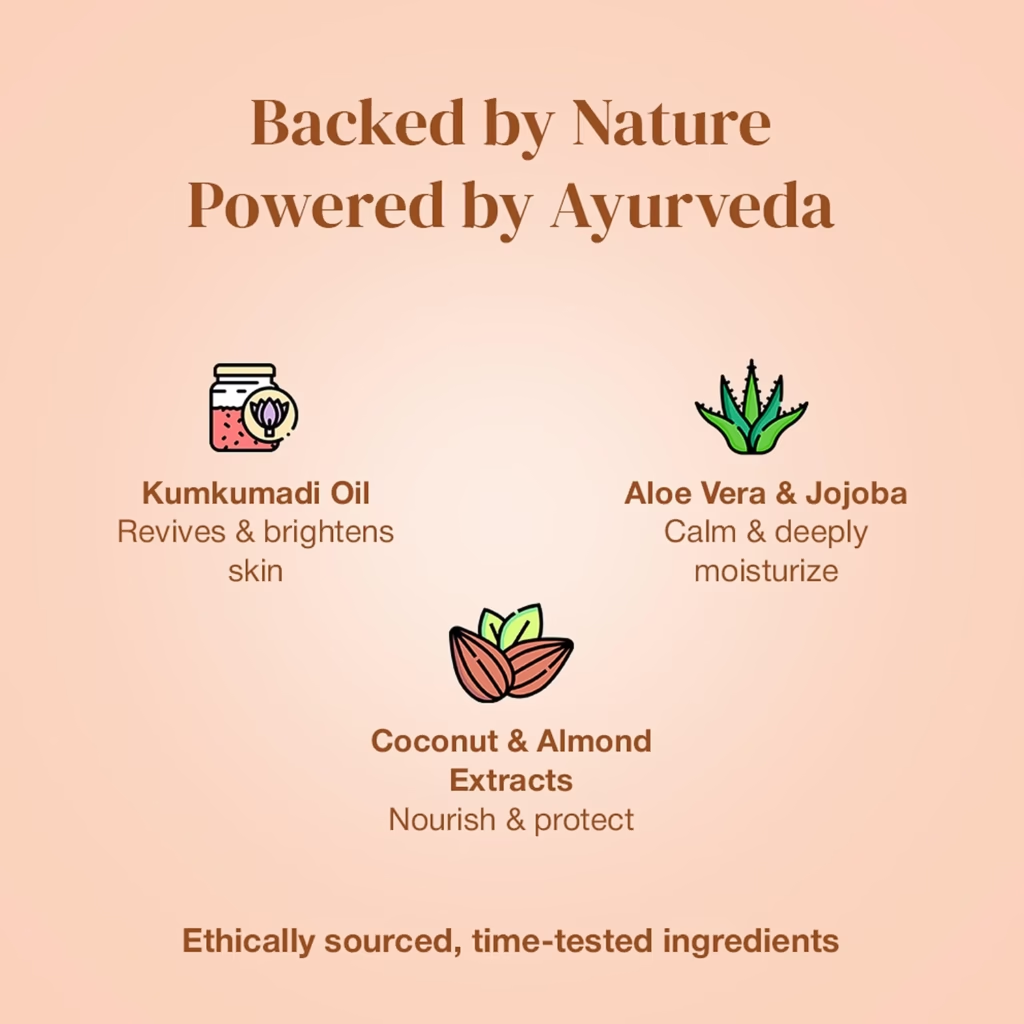
If you are still unsure which type to choose, use this simple guide:
- For dry skin: Choose a richer cream with ceramides, glycerin, or squalane.
- For oily skin: Choose a lightweight gel or lotion with hydrating ingredients.
- For combination skin: Choose a balanced moisturizer and adjust the amount by area.
- For sensitive skin: Choose a simple, gentle formula with barrier-supporting ingredients.
- For dull-looking skin: Look for a moisturizing formula that may also contain a well-tolerated ingredient such as niacinamide.
- For beginners: Start with a basic moisturizer before adding multiple active products.
Frequently asked questions
1. What is the best night cream for glowing skin? The best night cream for glowing skin suits your skin type and provides appropriate hydration without causing irritation. Ingredients like ceramides, glycerin, hyaluronic acid, and niacinamide are solid choices depending on your needs.
2. Can I use night cream every day? Yes. Most basic moisturizing night creams are designed for daily use. Follow the product’s directions and adjust your routine if your skin becomes irritated or excessively oily.
3. Is night cream suitable for oily skin? Yes. Oily skin still needs hydration. A lightweight gel or lotion provides moisture without the heavy feeling associated with richer creams.
4. Can night cream remove dark spots? A night cream primarily provides moisturization and barrier support. Some formulas contain ingredients that help improve the appearance of uneven skin tone. Persistent dark spots usually require targeted treatment and professional guidance.
5. Is night cream better than moisturizer? Night cream is simply a type of moisturizer designed or marketed for nighttime use. A simple moisturizer that works well for you is far more useful than an expensive night cream your skin fails to tolerate.
Final thoughts
Finding the best night cream for glowing skin requires a simple approach. Start by identifying your skin type and the main issue you want to address. Then look for a formula that provides the right level of hydration and contains ingredients that suit your skin.
For dry skin, barrier-supporting ingredients like ceramides and emollients are valuable. Oily skin prefers lightweight hydration. Sensitive skin needs a simple formula.
Check the ingredients, consider the texture, introduce new products gradually, and pay attention to how your skin responds. A consistent routine, daytime sun protection, and sensible skincare habits will always serve you better than a constant search for a miracle product.
Use the buying guide above to identify the type of night cream that fits your skin. Then choose a simple formula you can use consistently.